
Ten Beginner Garden Plants
Starting a garden might seem intimidating or hard to do but it doesn't have to be. The goal might be to have a huge beautiful garden and with time and effort, that may happen. The plan is to start small and work your way up. If starting with tomatoes and peppers is where you are comfortable, then do it. Something growing is better than nothing at all. These are ten beginner garden plants that can be grown for beginner gardeners.
Potatoes and Bush Beans
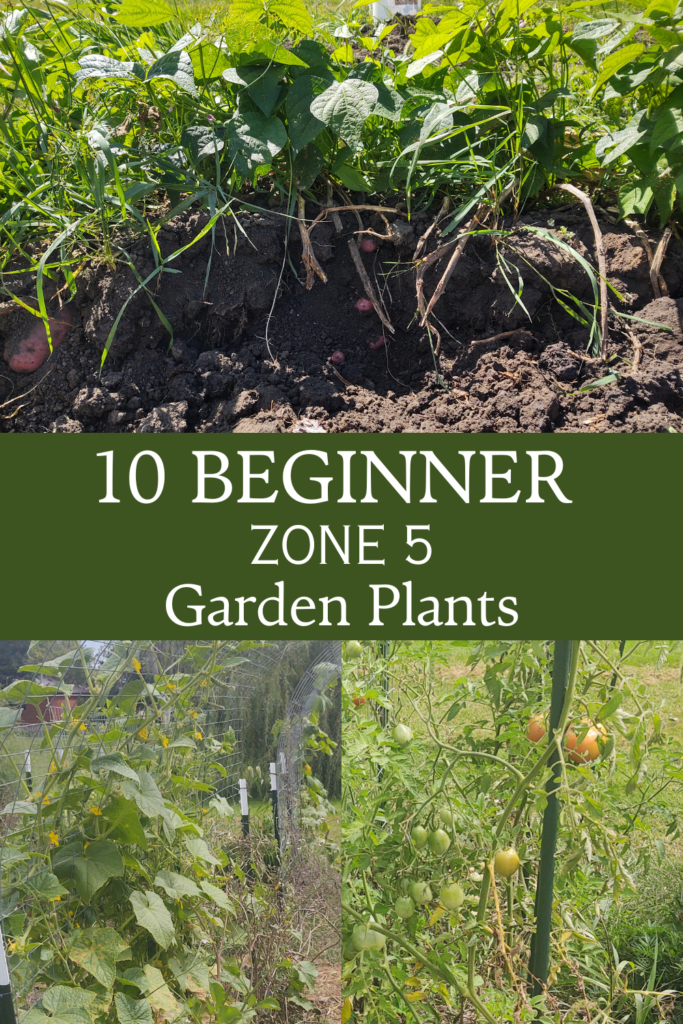
These two grow nicely together. Potatoes like well drained loose soil. Dig a trench and burry potato slips into the ground or put them in a raised garden bed that isn't too tall. The key is to keep adding soil to the top of the plant so those potatoes can grow up. Once the potato plants are a foot tall, plant bush beans or green bush beans in a row next to them. The beans will confuse the Colorado potato beetle that like to eat the potato leaves. Continue to push soil on top of the potato plants until they have been buried at least 18 inches. Wind and rain can move the soil off the mound, just keep pushing the soil up. If sun light touches the potato spuds, the potato will turn green and shouldn't be eaten.
Once the potato plants start to flower, the first small potatoes can be harvested off the top of the soil. Waiting until the potato leaves are dead and brown, means the bigger potatoes are ready to harvest. Dig them out on the open side of the garden bed and let the beans keep growing. Most likely the green beans will be harvested the same time as the potatoes. While bush beans need to fully dry on the stem to harvest.

Onions, Garlic and Tomatoes
These three can be grown together easily. In my zone 5, I need to plant the garlic first either in the fall or late winter/ early spring. Then I will start onion seeds indoors in January to be transplanted outside in the late spring. Last is to start tomato seeds indoors around March to be ready to plant in May. Now, if you are not ready for seed starting, buying onion starts and tomato starts will save you a lot of effort but can get expensive for a larger gardens.
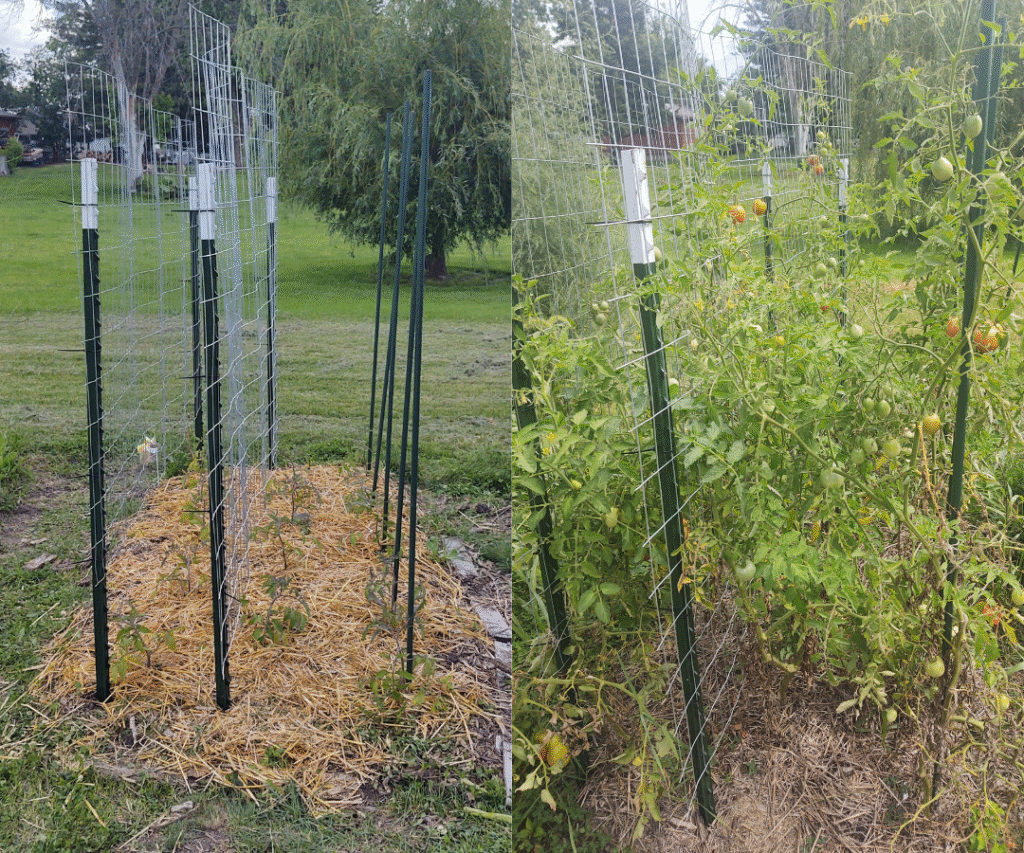
Plant these together for a basic salsa or tomato sauce garden. Tomato plants can get huge, so cutting off the suckers and having a cage or trellis support will help. Onions and garlic take up very little space and fit nicely between or around the tomatoes. The hardest part is planning on where the tomatoes will go between everything. They all like soil that is dry and loose with a deep watering once per week.
Basil and Dill
Basil and dill can be planted almost anywhere in the garden. They help attract beneficial bugs and pollinators. I like to have lots of basil around the salsa plants. I think it makes the tomatoes tastier. Plus I am adding it to into my tomato sauce anyway. I just cut the top off the plant and it keeps coming back fuller.
I plant dill all around the potatoes and beans. It seems to be a good hiding place for beneficial bugs. Plus I have fresh dill all summer for pickling or freshening up a sauce. Dill also likes to be cut and comes right back. Let some seed and use those for pickling as well.

Squashes
Pick two squashes to grow for a full pantry. Either zucchini and cucumbers for a summer harvest or pumpkins and butternut for a fall harvest. I could even pick one of each for a longer harvest. Any of these squash plants will grow enough food, you won't be able to give it away. Pumpkins and butternut squash keep well in the winter, while zucchini and cucumbers need to be eaten right away or preserved.
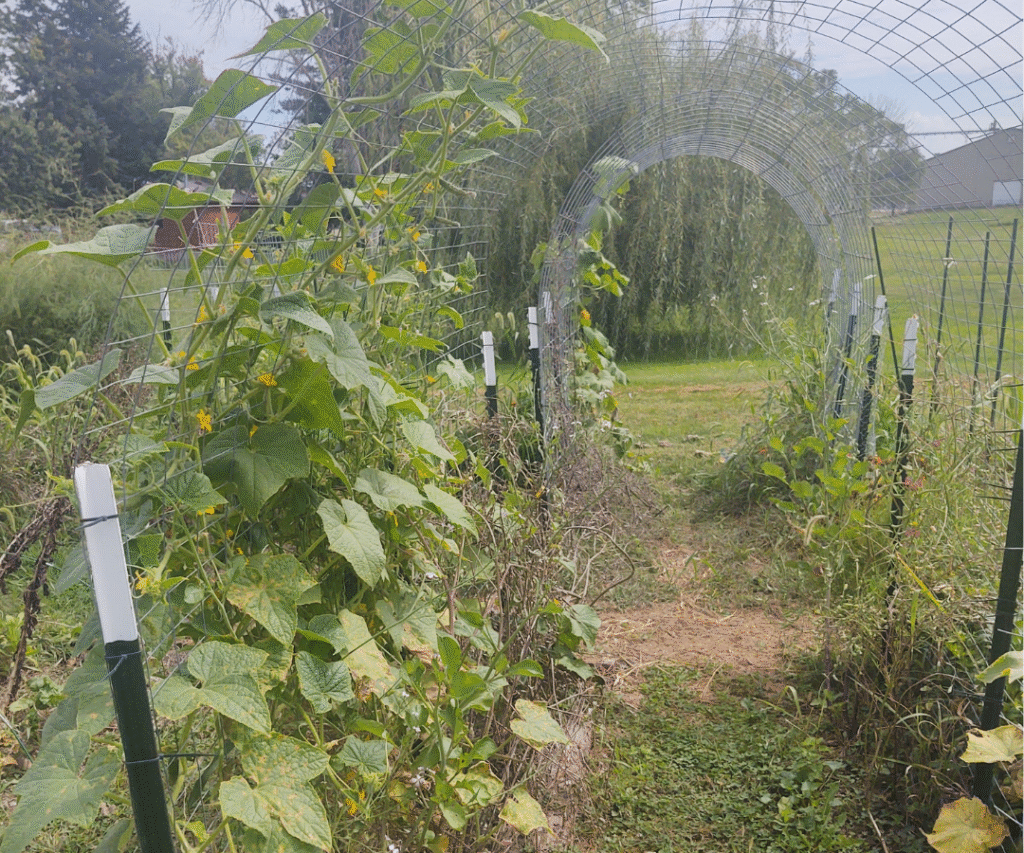
All of these squashes need room to stretch out. Either a big hill or a trellis will work. In a beginner garden, two plants is enough. Squash bugs are the problem when growing squashes (hence the name). Try your best to get rid of those bugs in the early days. Toss them in a pale of soapy water and plant some nasturtiums to distract as many as possible.
Fruit Tree or Bush
Fruit trees or bushes are great to have around any yard. Start by picking one type of fruit tree or bush. Apple, pear, or peach trees like living in zone 5. While blueberries, raspberries, elderberries, grapes and strawberries grow almost anywhere with the right species. Each type of fruit tree or bush usually needs two trees or bushes to pollinate each other. Mix it up if you can and have maybe a Granny Smith apple and a Honey crisp apple tree.
Follow your tree or bush recommendations when pruning and growing. Sometimes it takes a few years for a tree or bush to produce fruit and not pruning properly can damage or even stunt fruiting. Once your fruit tree or bush is producing fruit, you are on your way to making many delicious treats. I like making pie, jelly, jam, sauces and so much more.


